
In your Bag
Sub-Total: £0.00


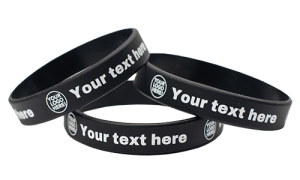 Printed Silicone Wristbands
 Plain Silicone Wristbands
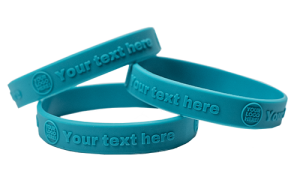 Embossed Silicone Wristbands
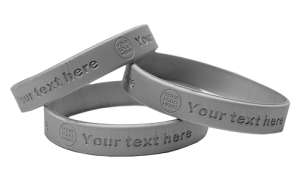 Debossed Silicone Wristbands
 Glitter Base Silicone Wristbands
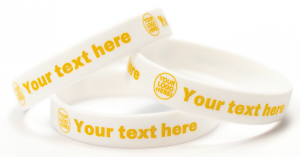 Glitter Print Silicone Wristbands
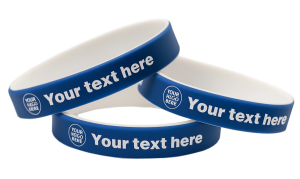 Dual Layer Silicone Wristbands
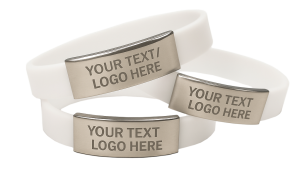 Engraved Metal Plate Silicone Wristbands
 UV Base Silicone Wristbands
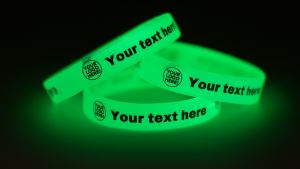 Glow Base Silicone Wristbands
 Glow Print Silicone Wristbands


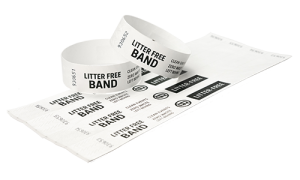 Litter Free Tyvek Wristbands
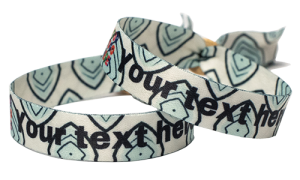 Fabric Wristbands 100% Recycled RPET
 Custom Printed Recycle Band Wristbands
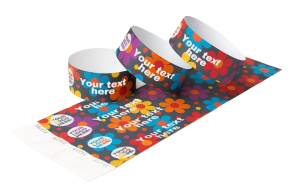 Edge to Edge Paper Wristbands
 Biodegradable Bamboo Fabric
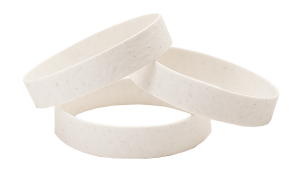 Plain Seeded Paper Wristbands
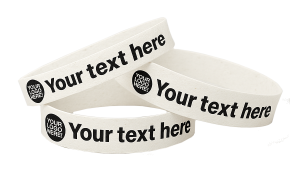 Custom Printed Seeded Paper Wristbands
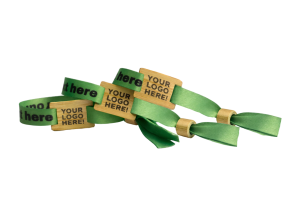 Biodegradable Bamboo Fabric & Bamboo Tag
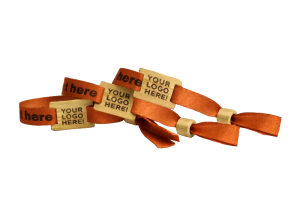 rPET Fabric with Bamboo Tag
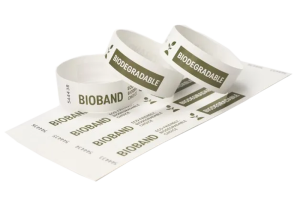 Custom Printed BioBand (Biodegradable Wristbands)
 Compost Band – Compostable Wristbands

 Printed Silicone WristbandsPlain Silicone WristbandsEmbossed Silicone WristbandsDebossed Silicone WristbandsGlitter Base Silicone WristbandsGlitter Print Silicone WristbandsDual Layer Silicone WristbandsEngraved Metal Plate Silicone WristbandsUV Base Silicone WristbandsGlow Base Silicone WristbandsGlow Print Silicone Wristbands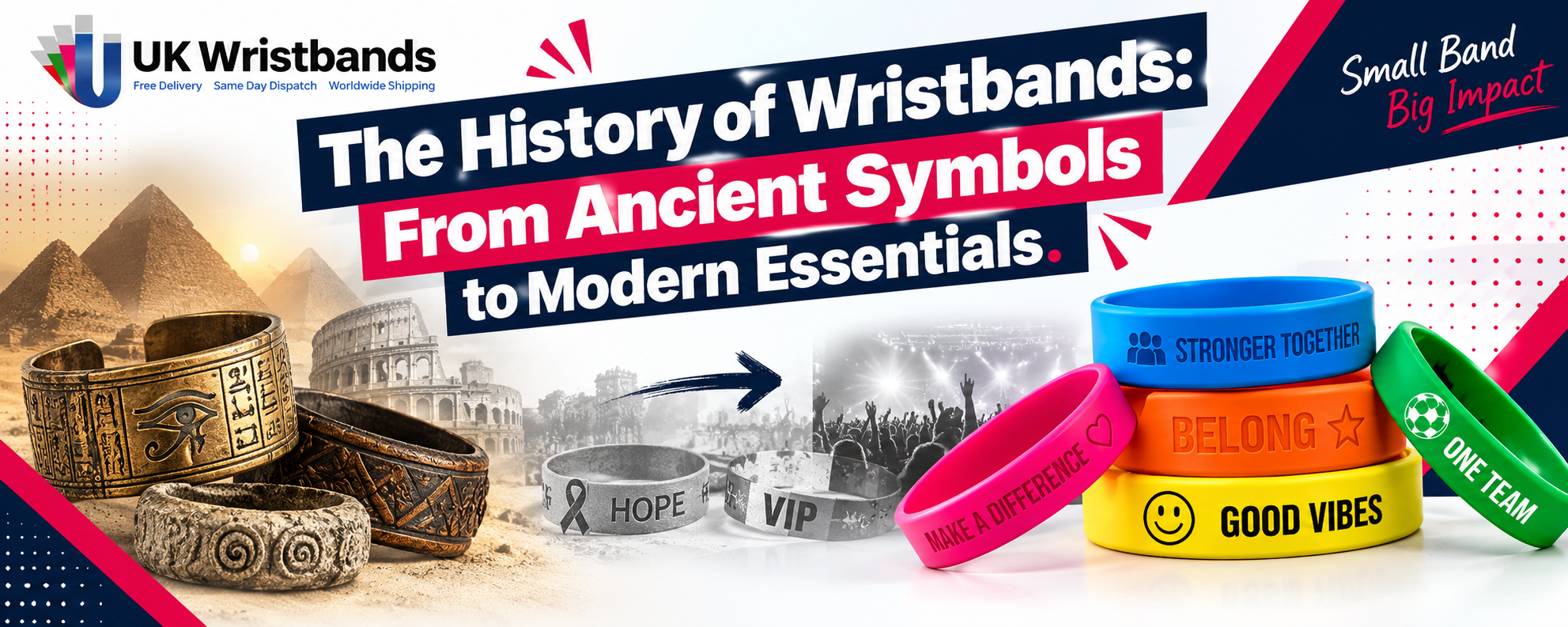
Wristbands may appear to be a relatively modern product, but their origins stretch back thousands of years. Long before they were used for event access, security, or branding, wristbands served as symbols of identity, belief, and belonging. Over time, they have evolved alongside human society, adapting in form, material, and purpose to meet changing needs.
The earliest forms of wristbands can be traced to ancient civilisations including Egypt, Mesopotamia, China, and Rome. These early wrist adornments were typically crafted from natural materials such as leather, bone, stone, bronze, and gold.
In ancient Egypt, wristbands were often worn as symbols of wealth and spirituality. Many featured engravings or symbolic markings believed to offer protection or convey status. In Roman society, arm bands and cuffs were sometimes associated with rank, military achievement, or ceremonial roles.
Across other parts of the world, including Asia and the Americas, wristbands and similar adornments played an important role in religious practices, cultural rituals, and social hierarchy. At this stage in history, wristbands were personal and durable items rather than disposable or functional tools.
As societies developed, wristbands gradually moved from decorative items to more practical forms of identification. During the medieval and early modern periods, fabric and leather bands were sometimes used to signify group membership, occupation, or allegiance, particularly in military and labour settings.
By the 19th and early 20th centuries, armbands were commonly used for identification purposes, mourning traditions, political movements, and organisational roles. This period marked an important transition, where wristbands began to serve a functional purpose beyond personal adornment.
A major turning point in the history of wristbands occurred in the late 20th century with the rise of awareness and cause-based campaigns. Wristbands became widely used as symbols of support, solidarity, and fundraising, thanks to their simplicity, affordability, and ease of distribution.
These wristbands transformed a simple accessory into a powerful communication tool. Wearing a wristband became a way for individuals to publicly show alignment with a cause, community, or message, reinforcing the idea that wristbands could represent shared values as well as personal identity.

As live events, festivals, and large venues became more common, the need for effective crowd management and access control increased. Wristbands emerged as a reliable solution, allowing organisers to identify attendees quickly, manage entry and re-entry, and reduce the risk of ticket fraud.
Disposable and tamper-evident wristbands became widely adopted for concerts, sporting events, and attractions. More durable options followed for multi-day events and environments where wristbands needed to withstand water or prolonged wear. This era firmly established wristbands as an essential operational tool in the events industry.
Over time, wristbands evolved beyond basic access control and began to play a role in branding and experience design. Event organisers and brands started to use wristbands as keepsakes, promotional items, and visual extensions of their identity.
This shift saw increased focus on comfort, aesthetics, and customisation. Wristbands became something people wanted to keep and wear long after an event had ended, turning them into lasting reminders of shared experiences.
In recent years, wristbands have entered the digital age. Advances in technology have allowed wristbands to integrate with access systems, payment platforms, and data tracking tools. These developments have enhanced event efficiency while improving the overall attendee experience.
Modern wristbands can now serve multiple purposes at once, combining identification, security, and interaction into a single, wearable product.
Today, wristbands are produced in a wide range of materials and styles to suit different environments, durations, and audiences. Sustainability, comfort, and personalisation have become increasingly important, reflecting broader changes in consumer expectations and event management practices.
From ancient symbols of status and belief to essential tools for modern events and communities, wristbands have maintained a consistent role throughout history: connecting people to experiences, identities, and one another.
The history of wristbands is a story of evolution and adaptation. While materials and technologies have changed dramatically, the core purpose of wristbands remains the same. They continue to represent participation, belonging, and shared moments — proving that even the simplest objects can carry lasting
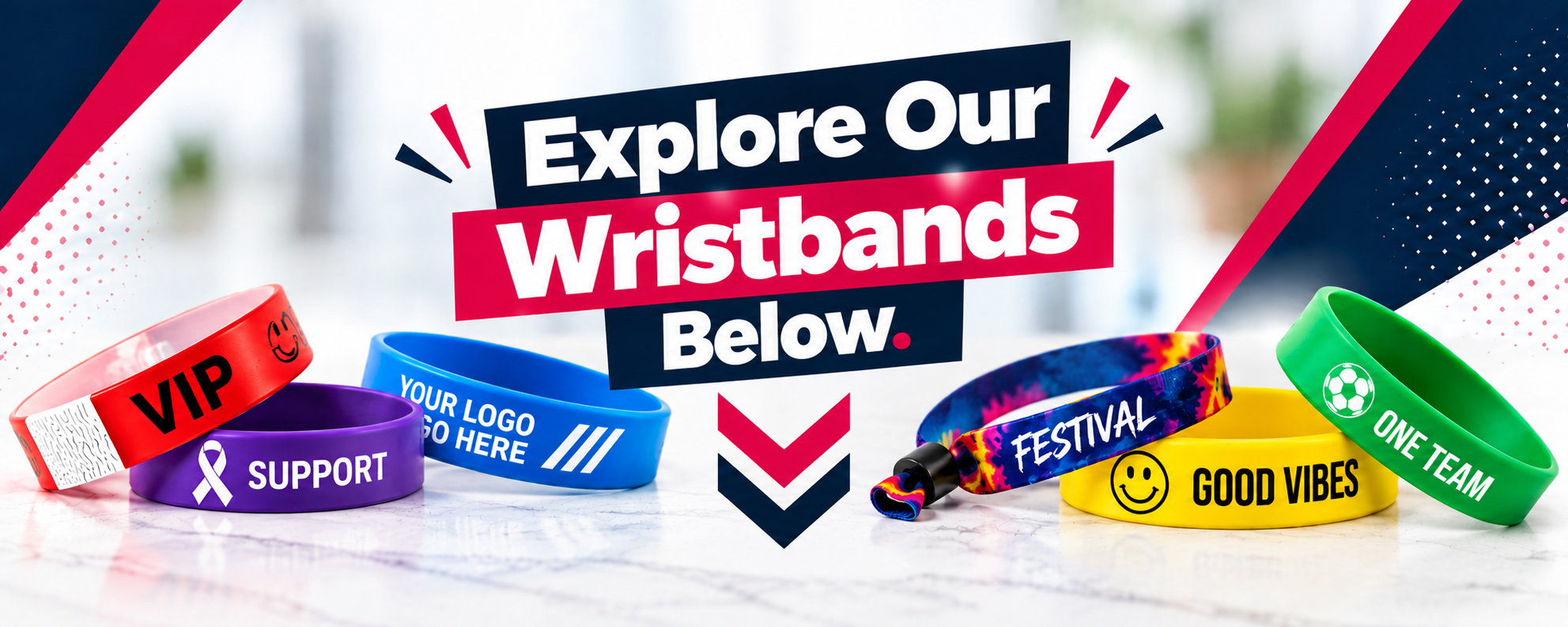


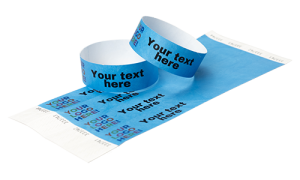 Custom Printed Tyvek Paper Wristbands – Colour Print
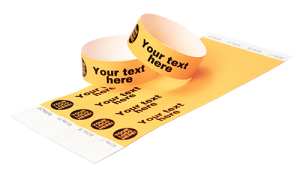 Custom Printed Tyvek Paper Wristbands – Black Print
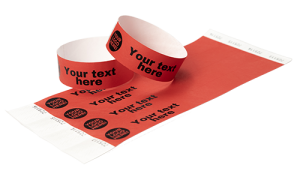 Wristbands With Variable Data
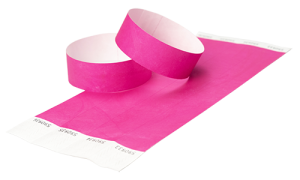 Tyvek Paper Wristbands – Plain

 Car Hooks - Single-Sided Print
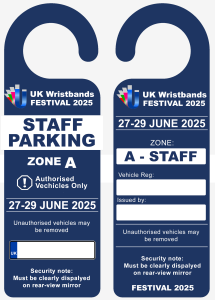 Car Hooks - Double-Sided Print
 Car Hooks - Single-Sided Print Express
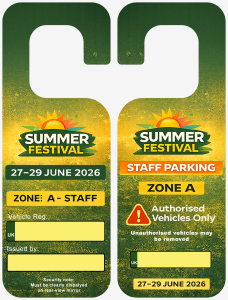 Car Hooks - Double-Sided Print Express
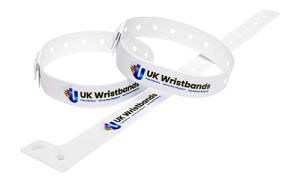 L-Shaped Express
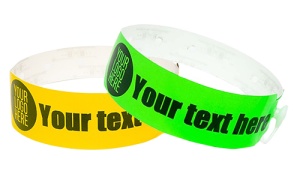 Thermal Vinyl
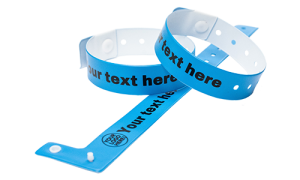 L-shape size
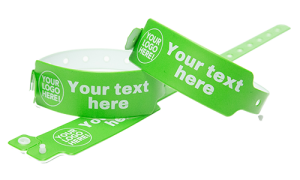 Widefaces
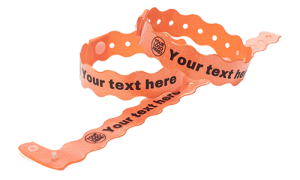 Wavy
Wavy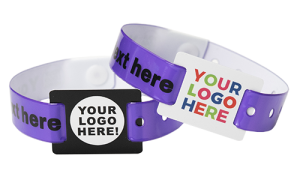 LShape with a tag
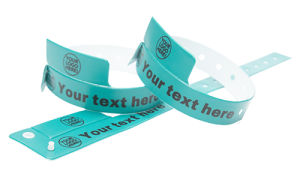 Tabed
Tabed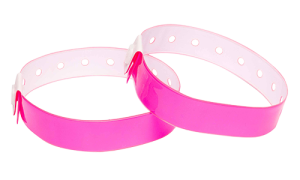 Plain
Plain Stick-On Passes
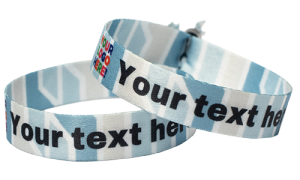 Fabric Wristbands
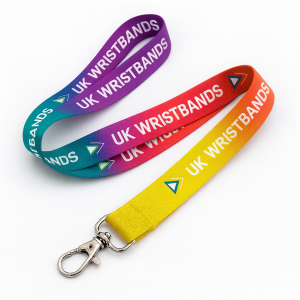 Lanyards - Double-Sided Print (Same Design)
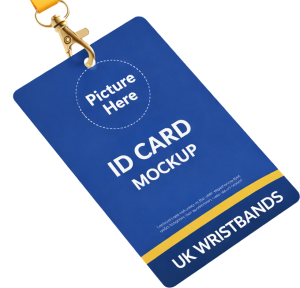 ID Cards – PVC (Same Design)
 Car Window Stickers
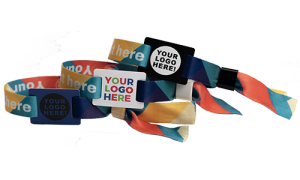 Fabric Wristbands with PVC Tag
 Fabric Wristbands with Holes & Clips
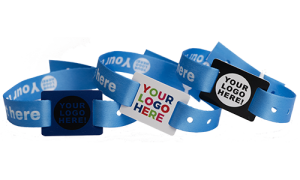 Fabric Wristbands with PVC Tag Holes & Clips
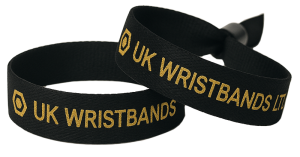 Woven Fabric
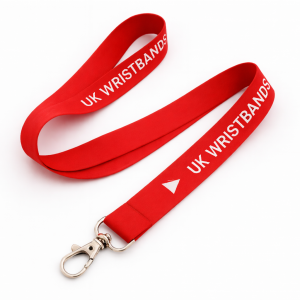 Lanyards - Single-Sided Print
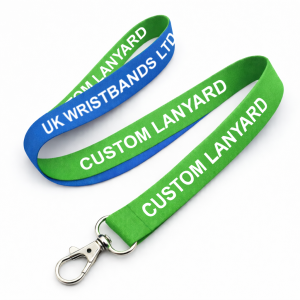 Lanyards - Double-Sided Print (Different Design)
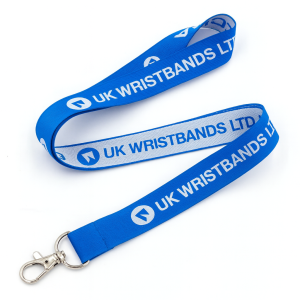 Woven Lanyard – 1 Colour Stitch
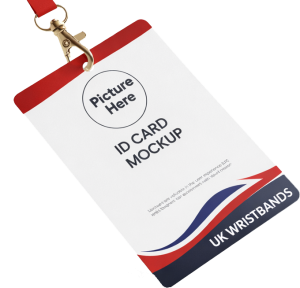 ID Cards – CARD (Same Design)
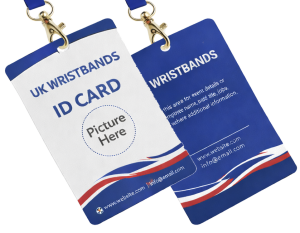 ID Cards – CARD (Different Design)
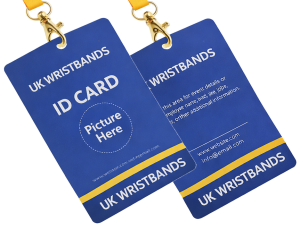 ID Cards – PVC (Different Design)
 Food & Drink Voucher Cards
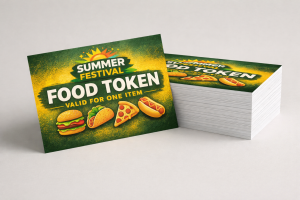 Food & Drink Voucher Express Cards